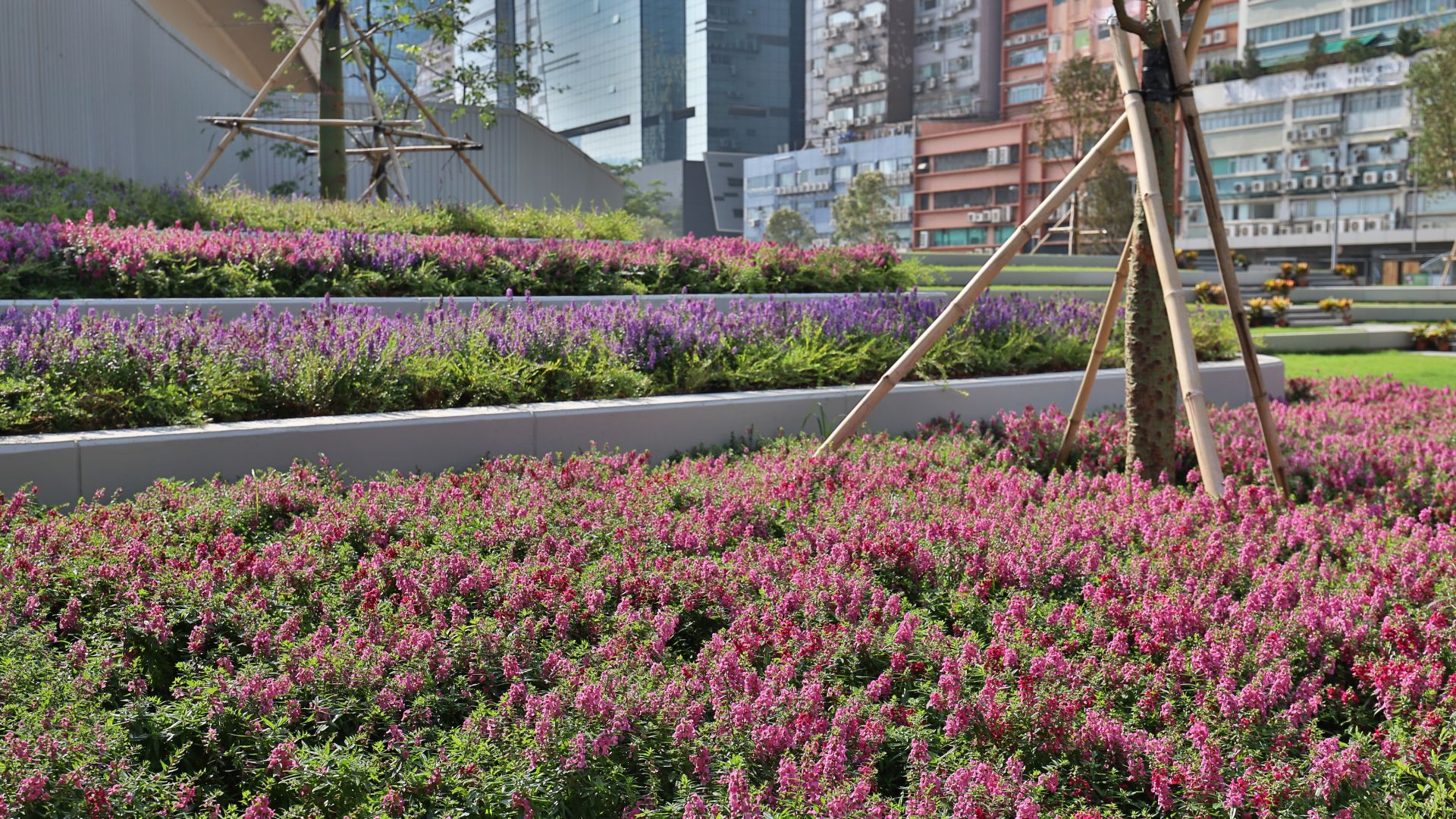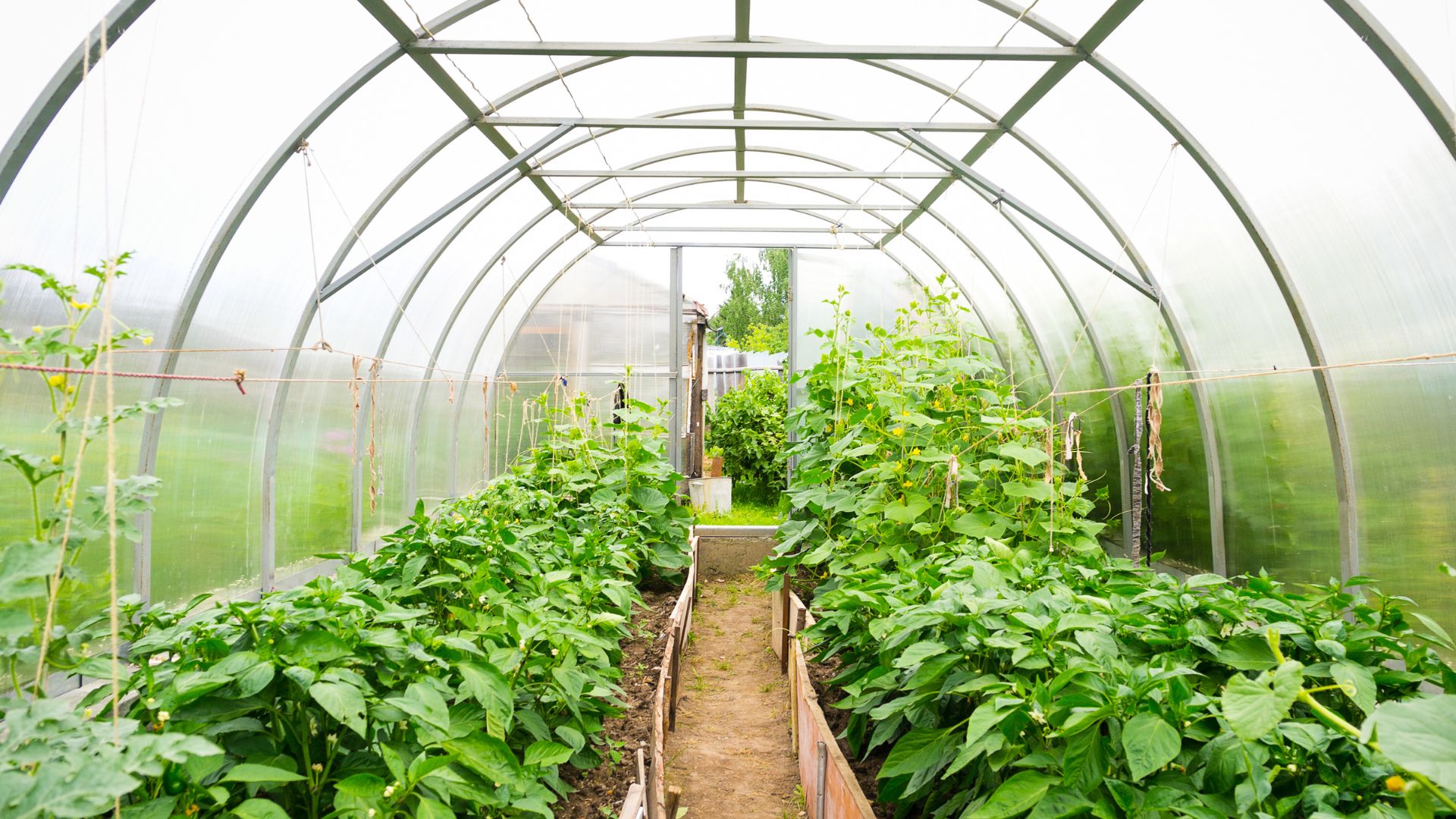
Types of Greenhouses Hoop Houses: Usually cost-effective and easy to set up, these structures feature flexible frames covered in durable plastic sheeting. Best for seasonal use. Rigid or Polycarbonate Greenhouses:…
Feeding schedules are often treated as one-size-fits-all recipes. However, each grow presents unique variables such as climate, plant genetics, and soil composition. When we talk about nutrient “timing,” we’re acknowledging…
Crack open a jar of perfectly cured buds or rub a sprig of garden‑fresh basil between your palms: that rush of scent comes from terpenes—volatile compounds plants craft to communicate…
I’ve always believed that every square metre of sunlight is an invitation to grow. City dwellers might lack sprawling acreage, but balconies, rooftops, and even sunny windowsills can deliver baskets…
No two seasons feel alike anymore. One week we’re bracing for record‑breaking heat; the next, a rogue cold front sweeps in overnight. I’ve watched growers—myself included—lose promising crops to these…
Companion planting isn’t folklore; it’s applied ecology. By arranging plants in mutually supportive guilds, we can cut pest outbreaks, unlock nutrients, and build richer soil—all without a drop of synthetic…
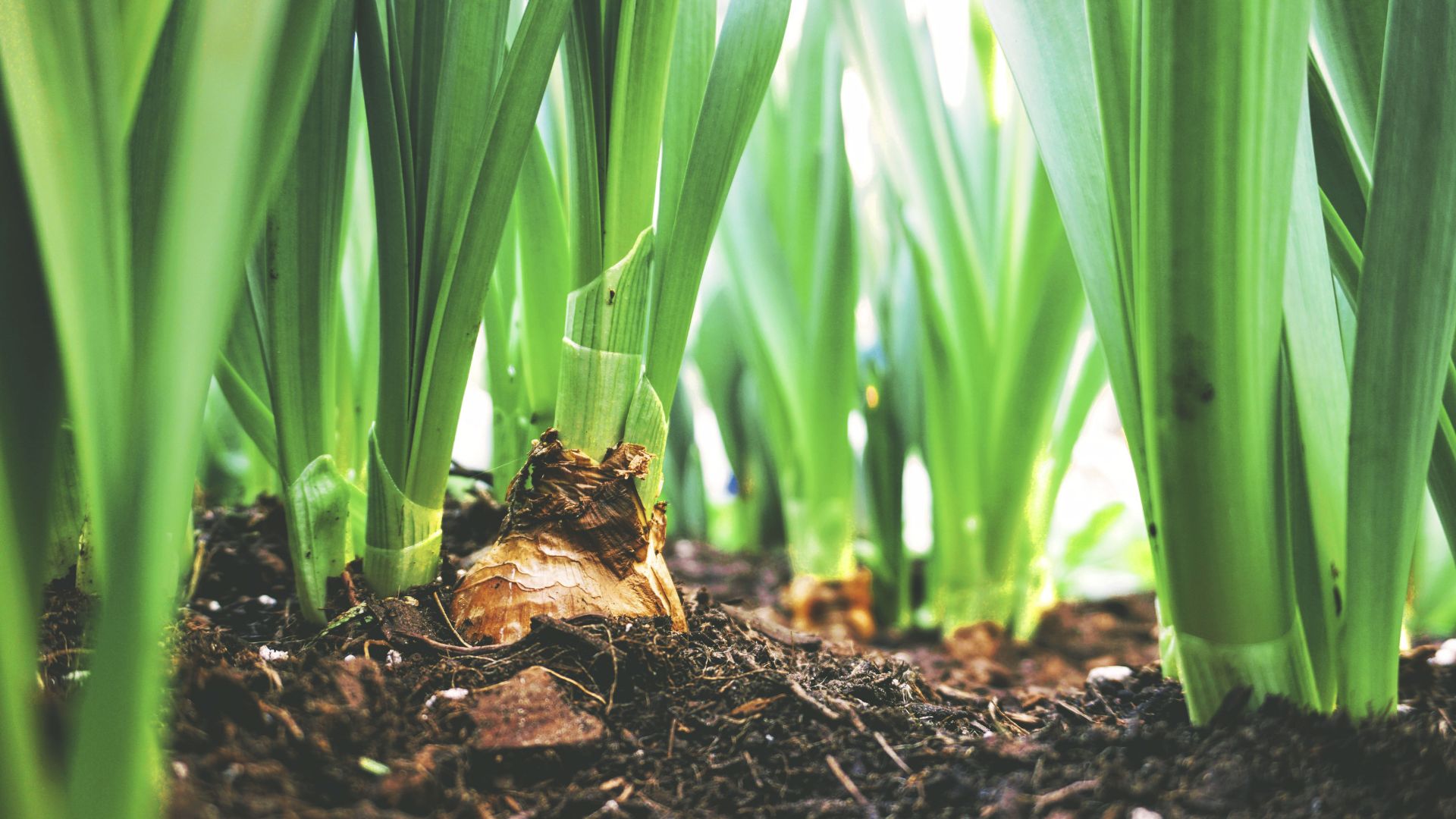
Why Living Soil Matters Every vibrant garden begins beneath the surface. While synthetic fertilizers promise quick results, they often leave soils depleted and dependent on chemical inputs. Living soil, by…
Why Choose Coco·Mix? Coco fibers hold up to nine times their weight in water while retaining 22 % air porosity—a dream for oxygen‑hungry roots. Unlike peat, coir doesn’t compact, so your…
Getting water right unlocks what living soil and BioBizz inputs are designed to do. This guide explains how pH, EC, and hardness interact—and how to set up hard, soft, or…
Getting the diagnosis right saves plants and time. Many look-alike leaf problems trace back to either true nutrient shortage (deficiency) or uptake interference (lockout). In organic systems, pH, water quality,…
Recent Comments